When convenience decides frequency
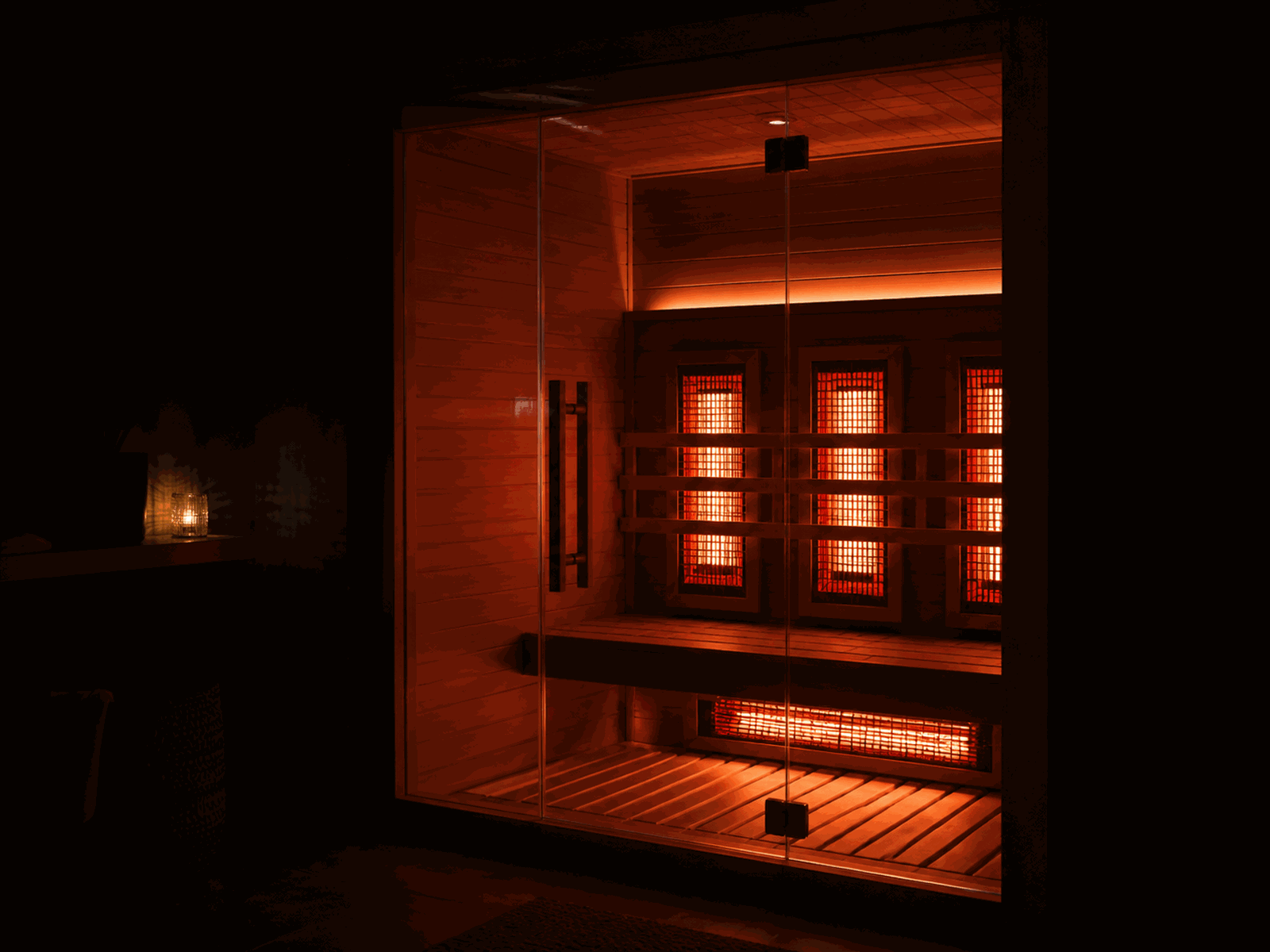
Best for ordinary weekdays, short walks to the shower, and compact infrared or indoor traditional cabins.
Updated 2026-07-06. This guide contains SelectSaunas affiliate links. We may earn a commission if you buy through those links, at no extra cost to you. Product pages show current merchant offers; this guide uses price bands for planning.
An indoor sauna behaves like an appliance you install. An outdoor sauna behaves like a small structure you build. That difference controls cost, frequency, permits, delivery, and the kind of sessions you will actually repeat.
Best for ordinary weekdays, short walks to the shower, and compact infrared or indoor traditional cabins.
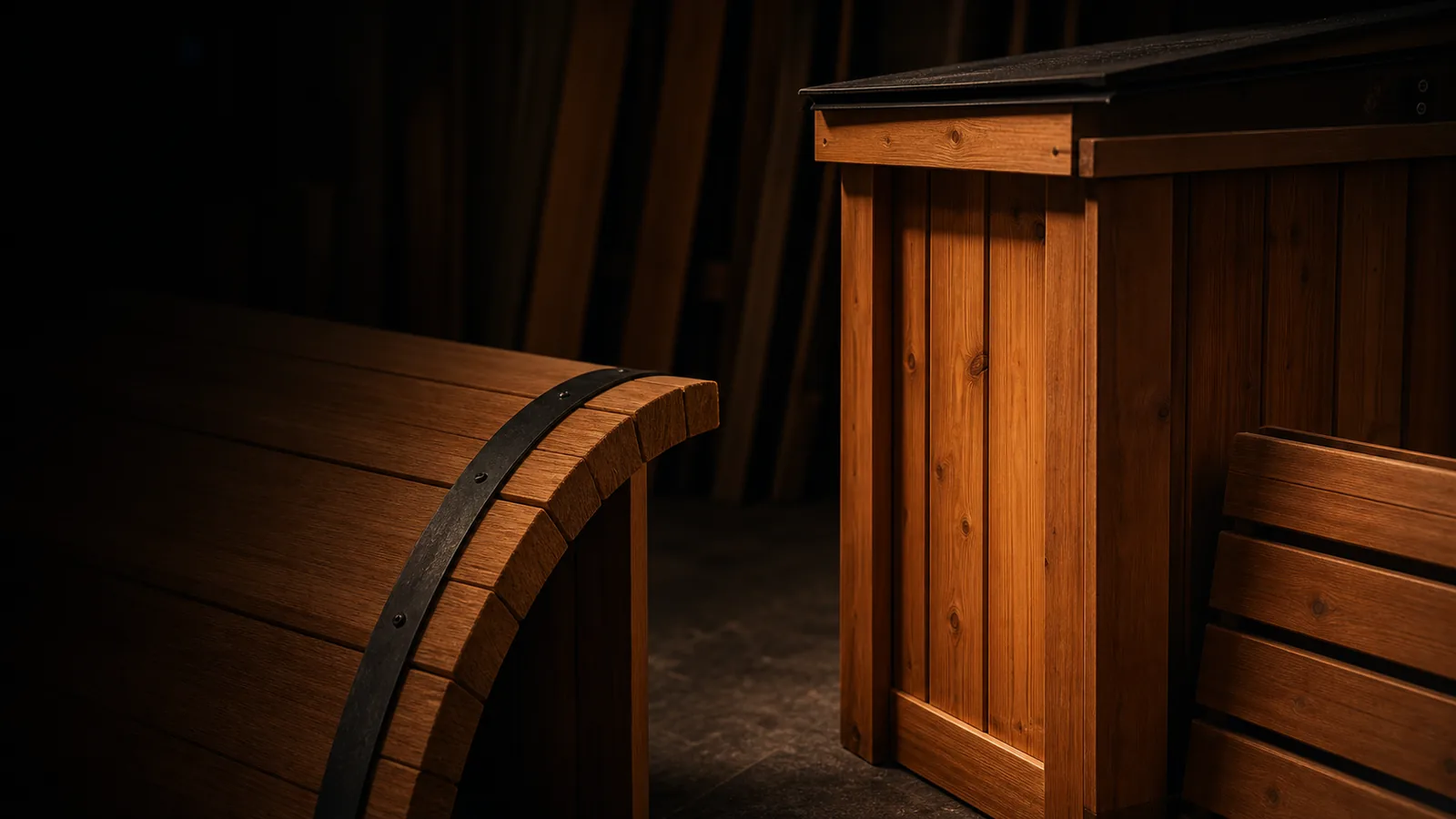
Best for family capacity, cold-air rounds, wood-fired heat, and yard-first projects.
Ventilation indoors, foundation and electrical trenching outdoors, plus delivery either way.
Most sauna regret traces back to skipping this question. Buyers fall for a specific cabin, then discover the garage ceiling is two inches too low or the backyard circuit would cost more than the sauna. Placement first, product second.
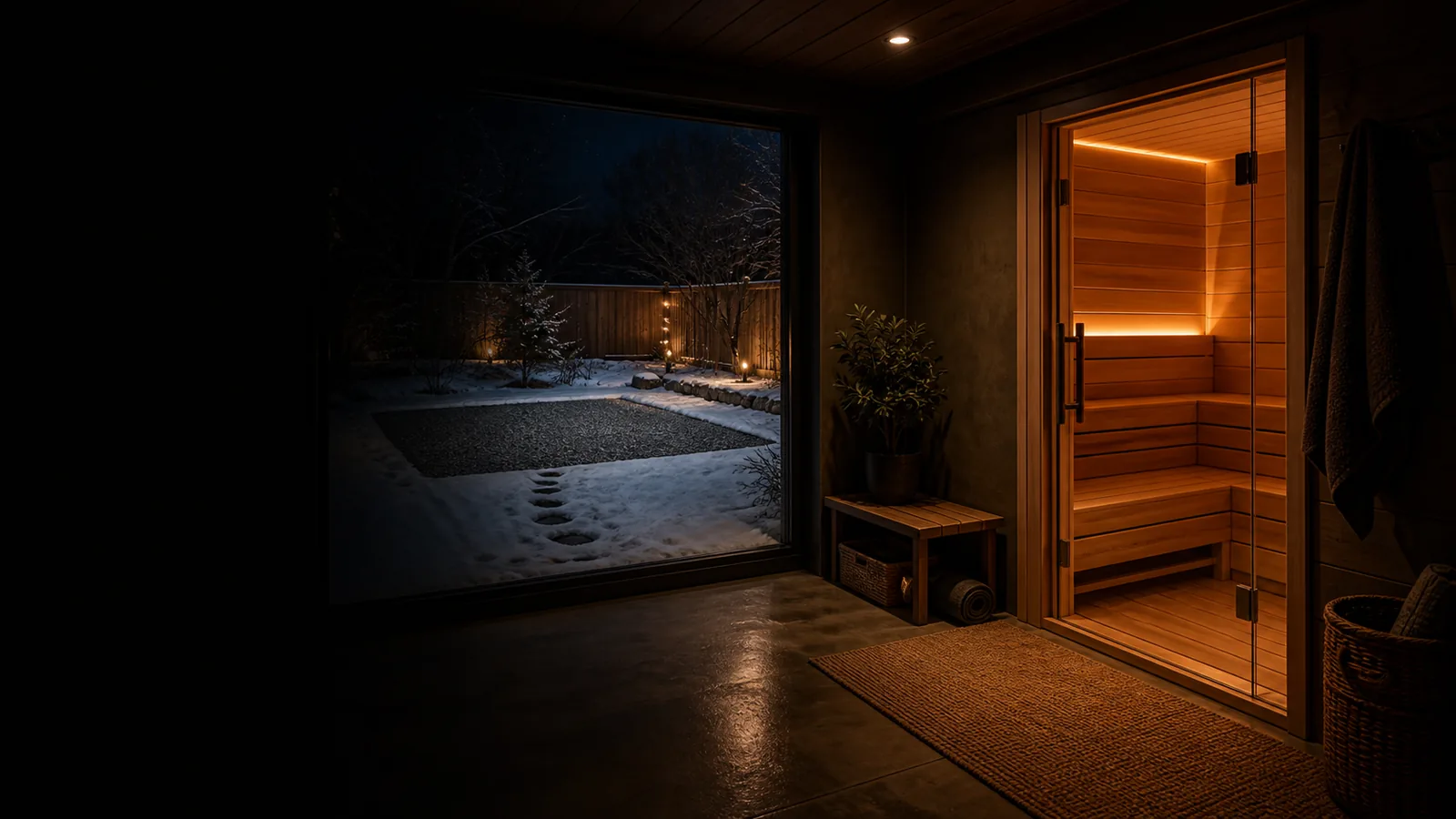
The honest framing: an indoor sauna is an appliance you install; an outdoor sauna is a small structure you build. Both deliver the same heat. They differ in what they demand from your house, your yard, and your willingness to walk outside in January.
These are the checks that turn a broad sauna preference into a realistic shortlist before the catalog gets involved.
| Factor | Best case | Watchout | Action |
|---|---|---|---|
| Use frequency | Indoor: shortest path to repeatable sessions. | A backyard sauna that feels too far away on tired nights. | Map the normal Tuesday session, not the perfect Saturday one. |
| Build complexity | Indoor: room/circuit/ventilation. Outdoor: pad/drainage/freight/power. | Comparing sticker prices without install context. | List the non-sauna work before comparing models. |
| Capacity | Outdoor gives more room and hosting flexibility. | Forcing a family routine into a compact indoor footprint. | Choose by normal users first, then by available space. |
Friction decides frequency. A sauna ten steps from the shower gets used on ordinary Tuesdays; that is the entire argument, and it is a strong one. Indoor placement also removes weathering from the maintenance story and lets compact infrared models run on ordinary household circuits.
The demands are real but manageable: verify ceiling height against the cabin plus clearance, plan where humid air exits the room, favor hard flooring, and confirm the circuit. Traditional indoor cabins with 6-9kW heaters need a dedicated 240V run, which is a normal electrician job inside a house.
Outdoors, square footage stops being scarce. Family-size capacity, changing rooms, panoramic windows, wood-fired heat, and the cold-air plunge between rounds all live here. For many buyers the walk through the cold is not a cost but the point: the sauna becomes a destination and the session becomes an event.
The demands scale accordingly: a level foundation, drainage, freight delivery access, possible permit questions for accessory structures, and either a trenched 240V run or a wood stove with proper clearances. Budget the build, not the cabin.
Compact indoor infrared models start in the under-$3k band and install in an afternoon. Indoor traditional cabins mostly sit in the $3k-$5k and $5k-$8k bands plus an electrician visit. Outdoor barrels and cabins run $3k-$8k at family capacity before site work, and the site work is the variable that surprises people: a pad and a long trenched circuit can add a four-figure sum that no product listing shows.
These modules use the structured catalog to make the guide actionable. Bands are for planning; merchant pages carry current offers, availability, and package details.
Affiliate disclosure: links in these cards may earn Sauna Decision Lab a commission. We keep the fit logic and watchouts visible so the product module stays editorial, not just commercial.
Compact infrared and indoor traditional cabins.
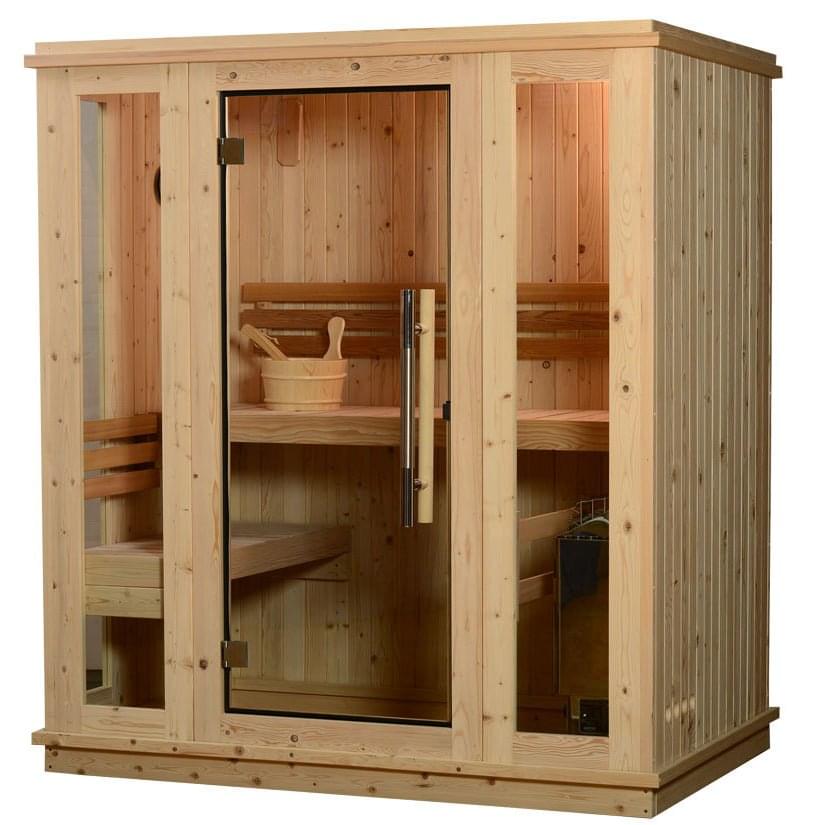
Almost Heaven Auburn 2-3 Person Indoor Sauna is an indoor traditional cabin with a 2-3 person layout, for buyers who want stones and high heat without moving the routine outdoors. Confirm ceiling height, ventilation, and the heater circuit, with pricing in the $3k-$5k band.
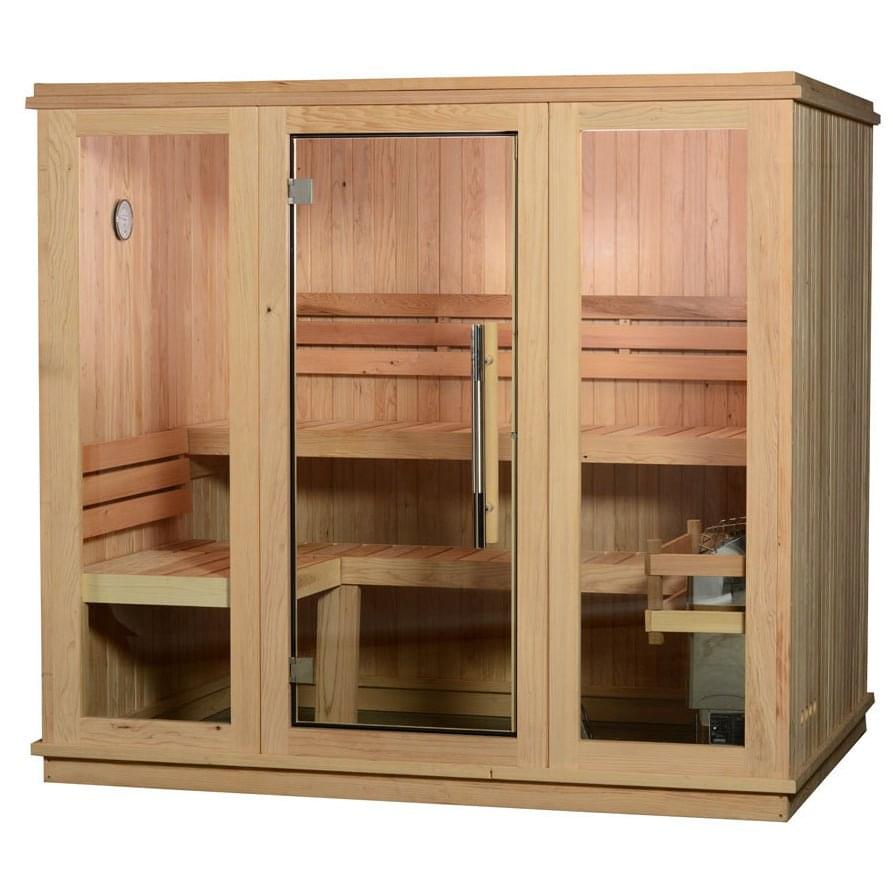
Almost Heaven Bridgeport 6-Person Indoor Sauna is an indoor traditional cabin with a 6 person layout, for buyers who want stones and high heat without moving the routine outdoors. Confirm ceiling height, ventilation, and the heater circuit, with pricing in the $5k-$8k band.
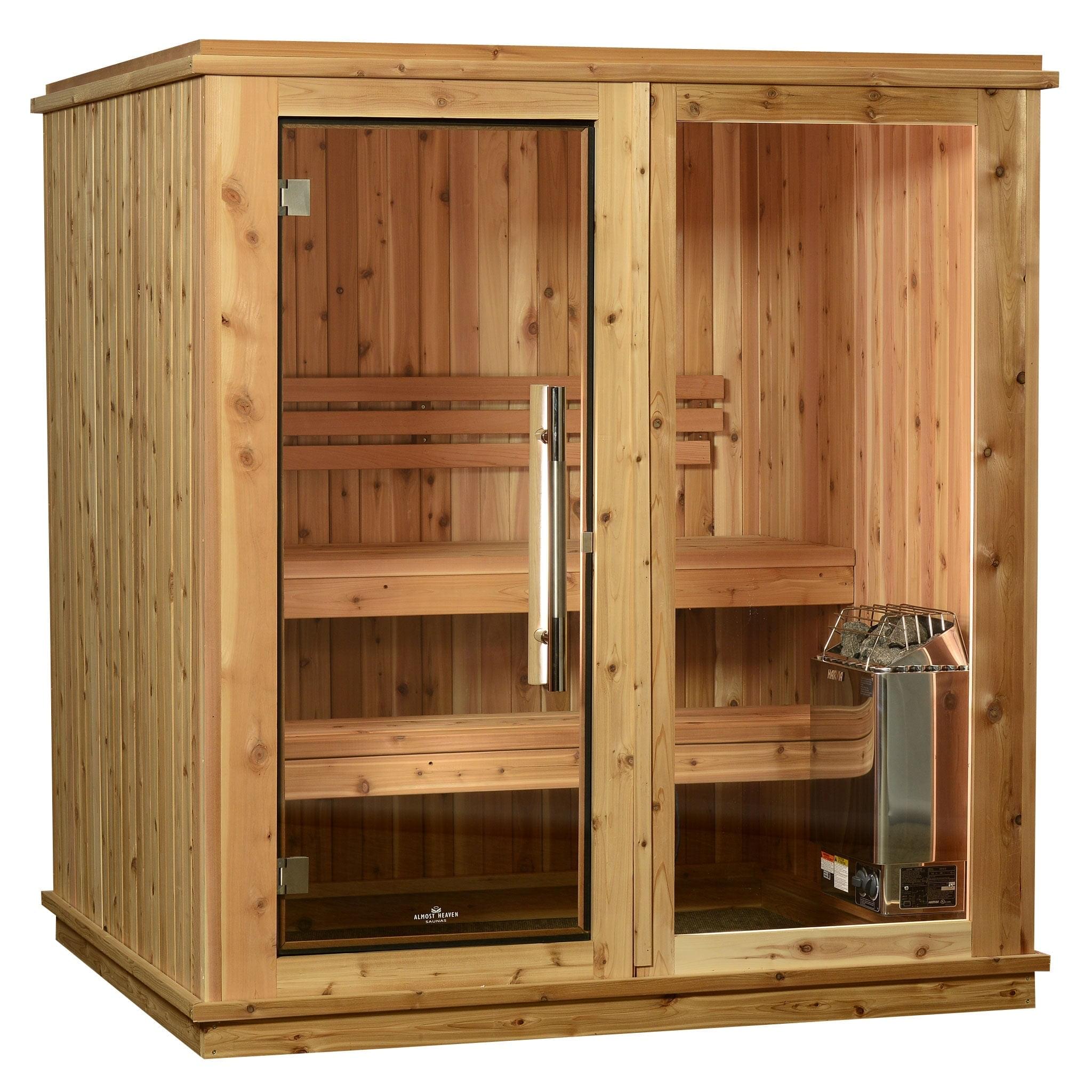
Almost Heaven Rainelle 4-Person Indoor Sauna brings the classic high-heat ritual inside. Expect a 4 person layout, plan a dedicated circuit for the heater, and treat the $3k-$5k band as the budget anchor until you check the current offer.
Barrel and outdoor traditional builds.
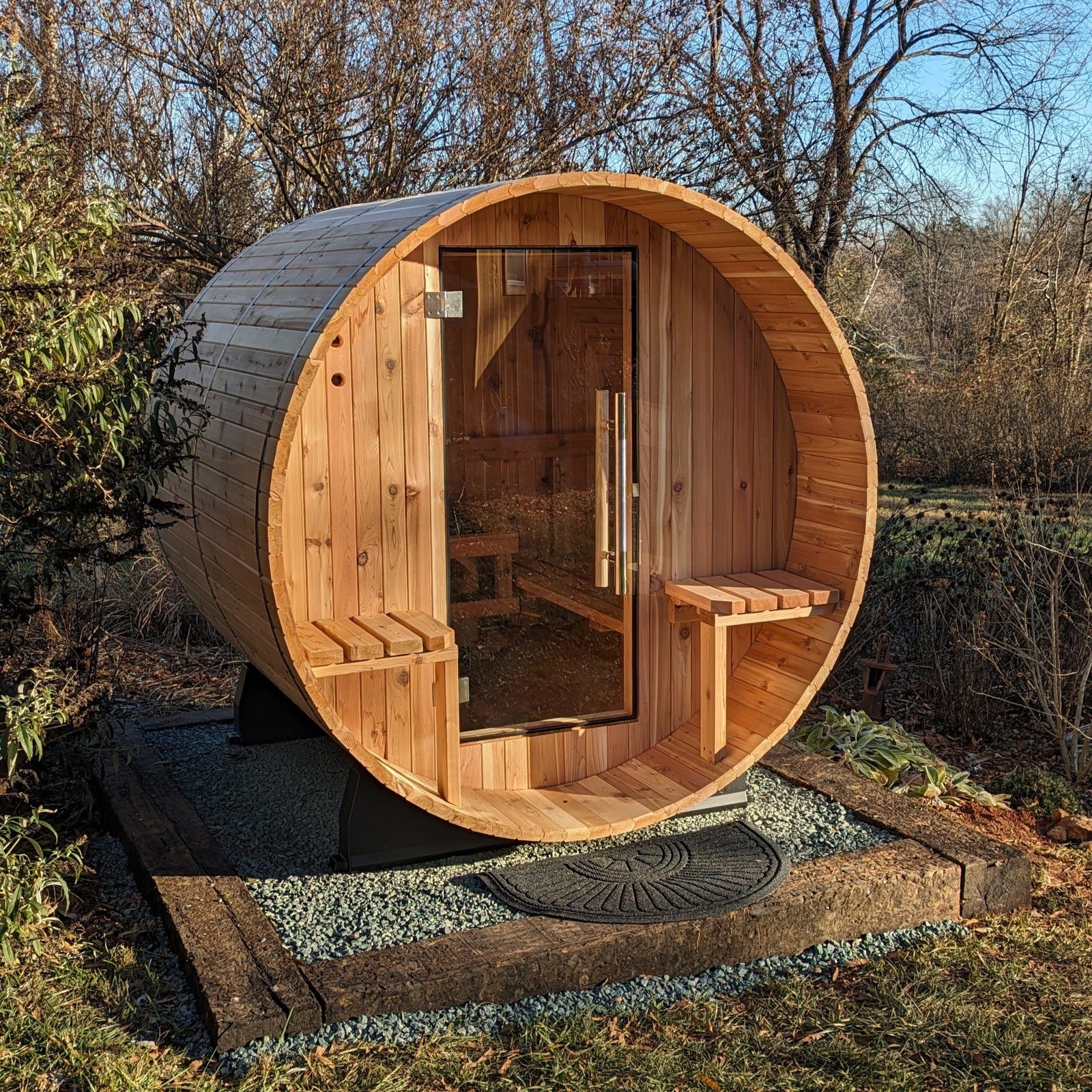
As Almost Heaven Saunas's barrel cabin, Almost Heaven Audra 2-4 Person Canopy Barrel Sauna, 6x5+1 ft. – 1 ft. Porch trades indoor convenience for outdoor presence. It offers a 2-4 person layout; budget in the $5k-$8k band and verify pad, clearance, and stove or heater specs first.
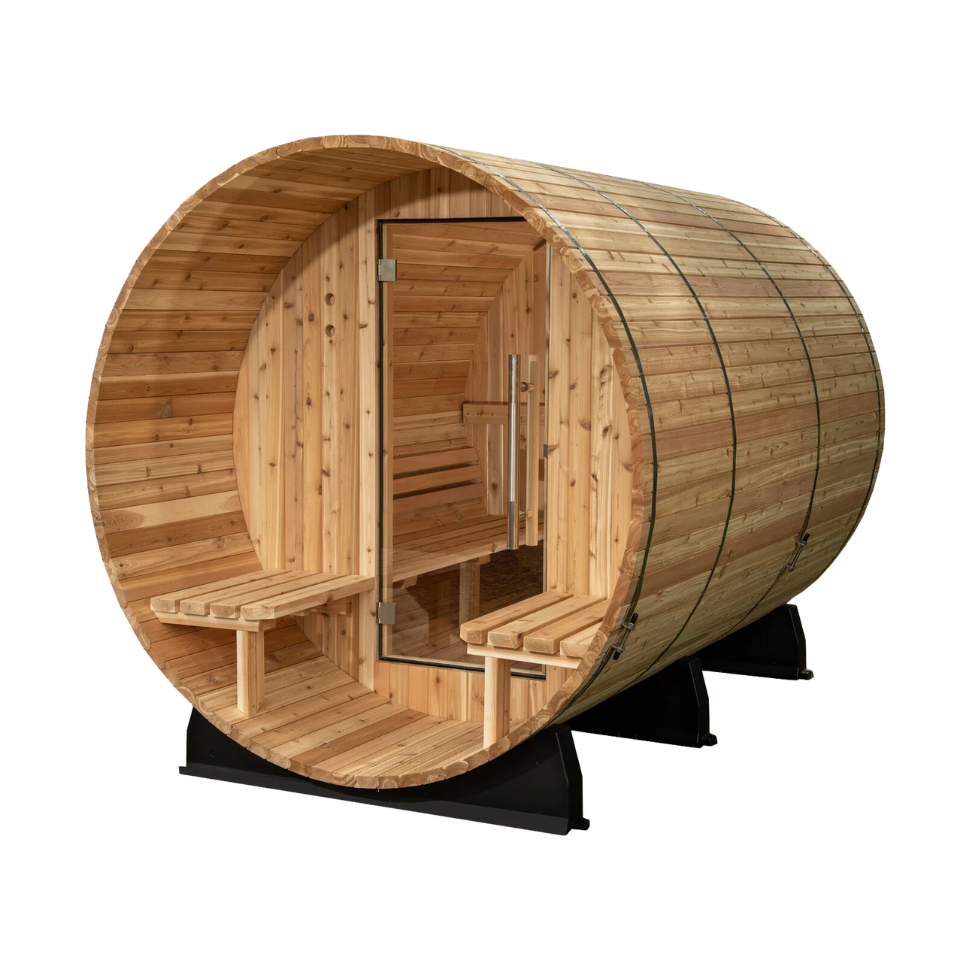
As Almost Heaven Saunas's barrel cabin, Almost Heaven Fairmont 4-Person Canopy Barrel Sauna, 6x5+2 ft. – 2 ft. Porch trades indoor convenience for outdoor presence. It offers a 4 person layout; budget in the $5k-$8k band and verify pad, clearance, and stove or heater specs first.
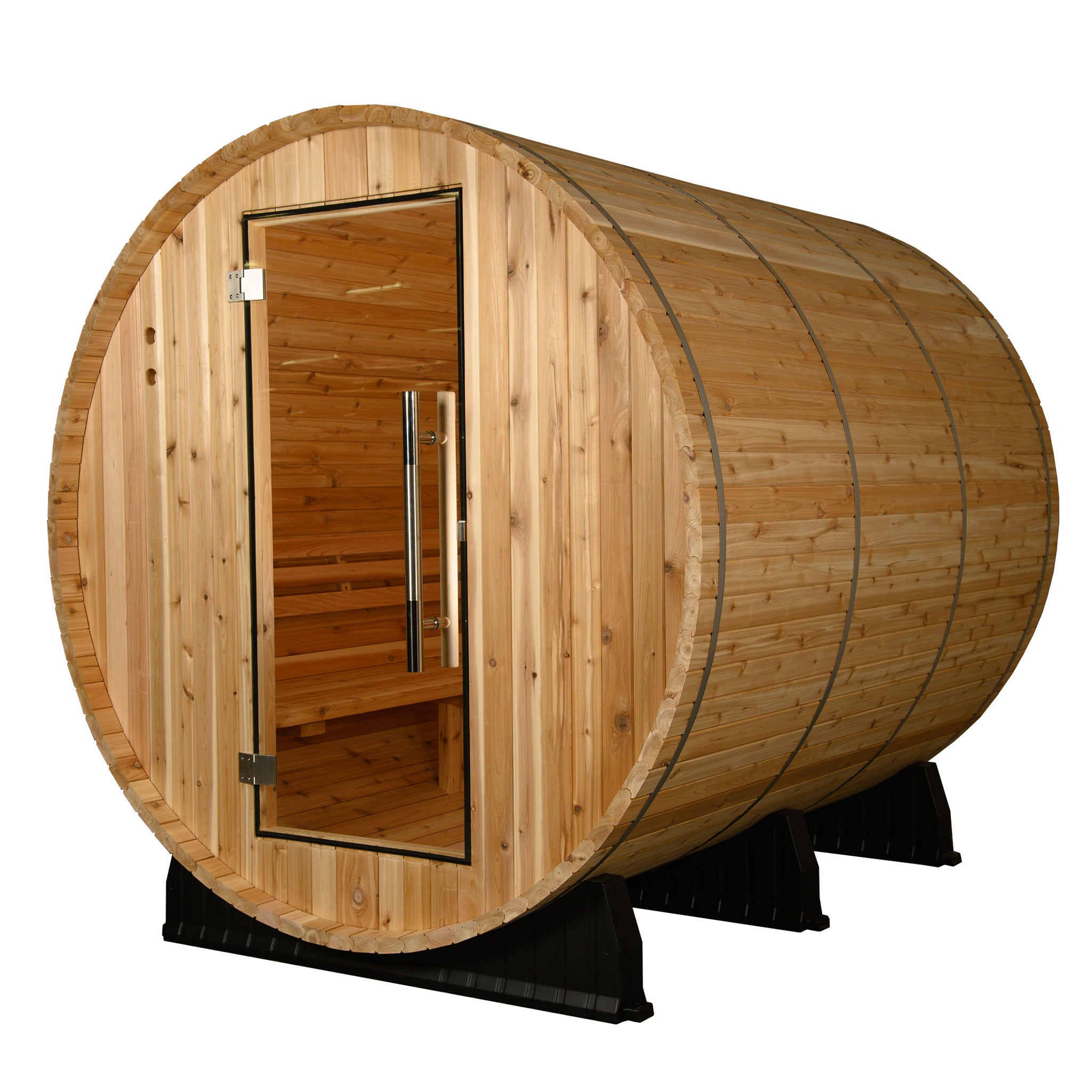
Almost Heaven Kenova 4-6 Person Barrel Sauna, 6x7 ft. sits in the outdoor ritual lane: a destination-style barrel build with a 4-6 person layout and pricing in the $5k-$8k band. Plan the pad, weather exposure, and heater electrical path before ordering.
Usually yes, and both are popular placements. Confirm ceiling height with clearance, plan ventilation so humid air has somewhere to go, use a hard floor surface, and match the circuit to the heater spec.
It varies by jurisdiction and size: many places treat small saunas as accessory structures with simple or no permitting, while others have setback and electrical rules. Check local requirements before pouring a pad; it is a quick call that prevents expensive surprises.
Indoor is usually cheaper end-to-end: compact infrared starts under $3k and avoids site work. Outdoor cabins overlap on sticker price but add foundation, delivery, and electrical trenching that listings do not show.