Work the decision, not the catalog.
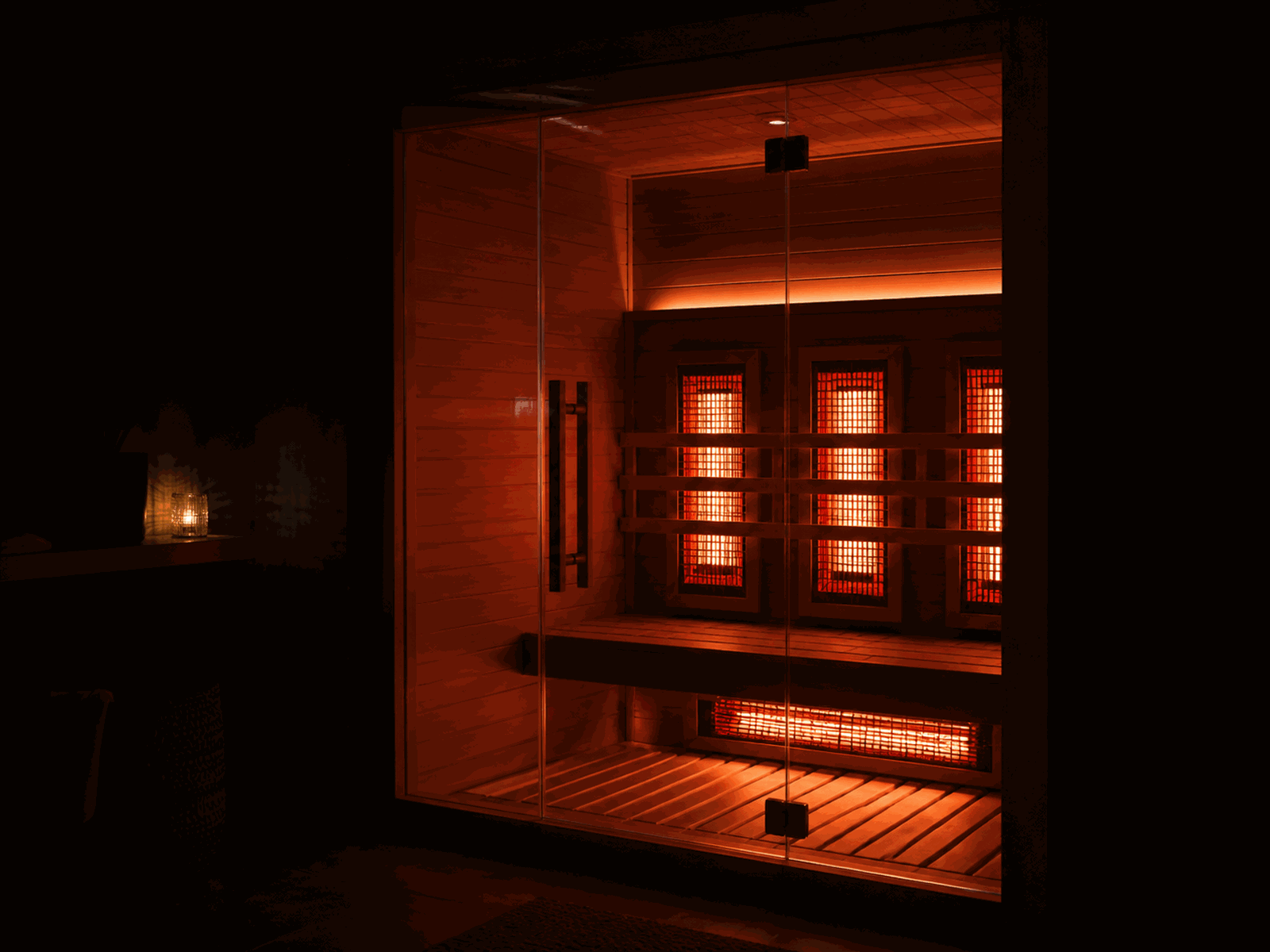
Best 2-Person Infrared Saunas: How to Actually Choose One
A 2-person infrared sauna is the lowest-friction entry into a daily heat routine: most fit a spare-room corner, and compact models in the under-$3k band often run on a standard household circuit. Decide on room placement and circuit capacity first, then compare panel coverage, bench depth, and EMF wording between listings.
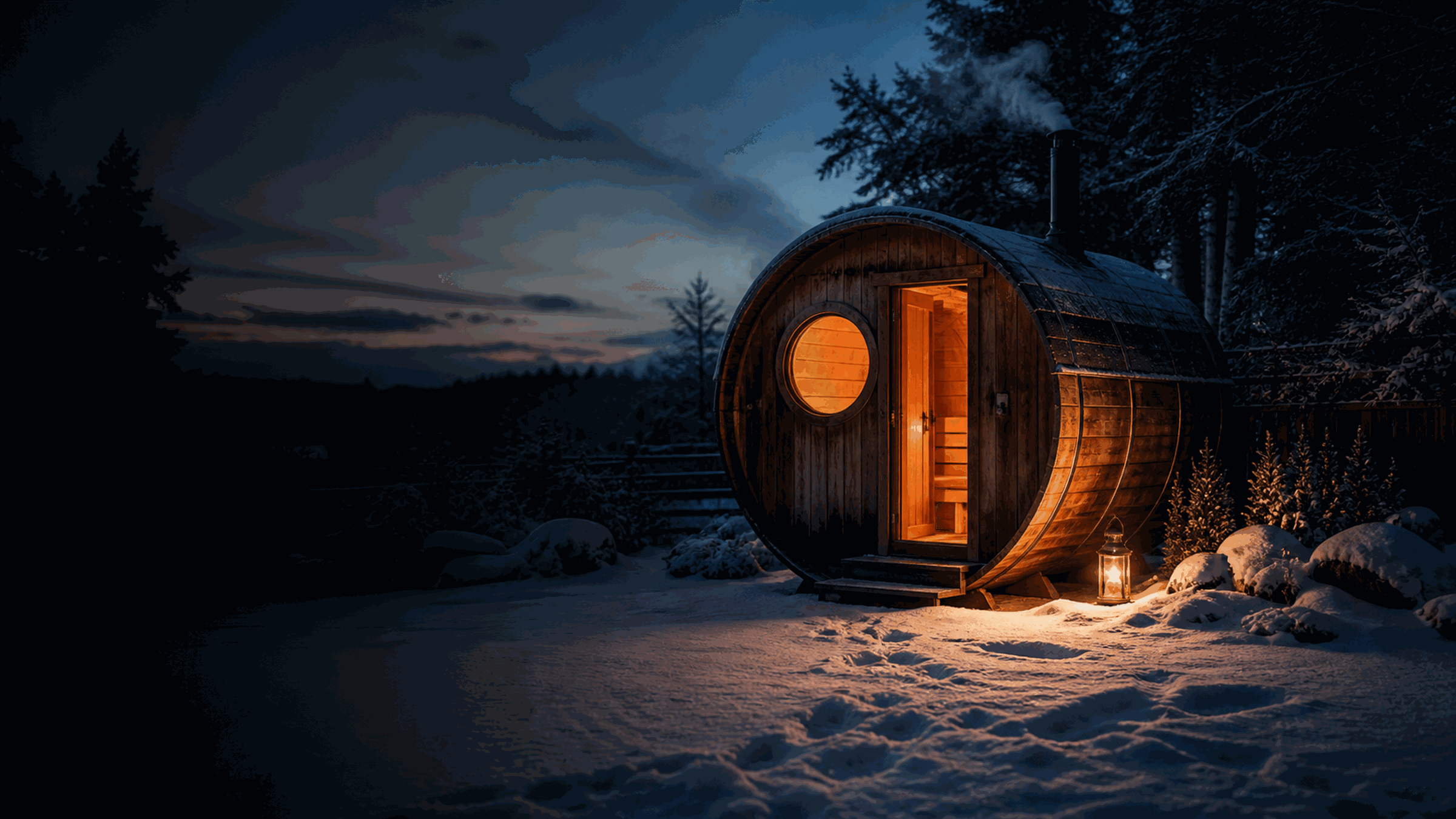
Best 4-6 Person Barrel Saunas for a Backyard Build
A 4-6 person barrel sauna is a backyard build, not an appliance purchase: plan the pad, heater circuit or stove venting, and delivery path before comparing models. In this catalog, family-size barrels cluster in the $5k-$8k band, with larger porch and panoramic layouts reaching higher bands.
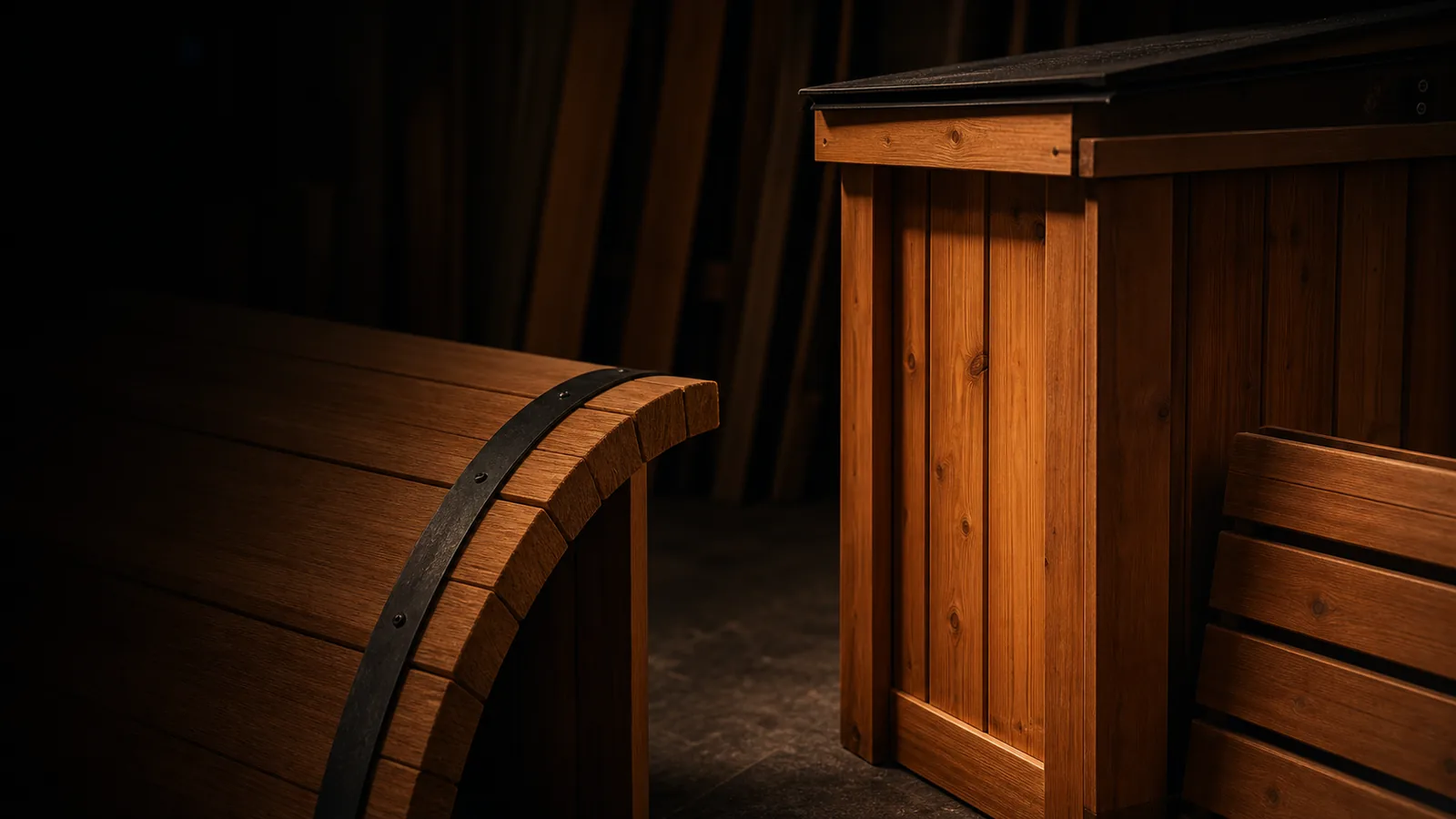
Barrel Sauna vs Cabin Sauna: Which Outdoor Build Fits You?
Barrels heat up faster and shed weather with less roof maintenance, but their curved walls waste shoulder room and limit bench layouts. Square cabin saunas use every interior inch, take a porch or changing room gracefully, and feel more like a building. Pick the barrel for efficiency and looks, the cabin for space and flexibility.
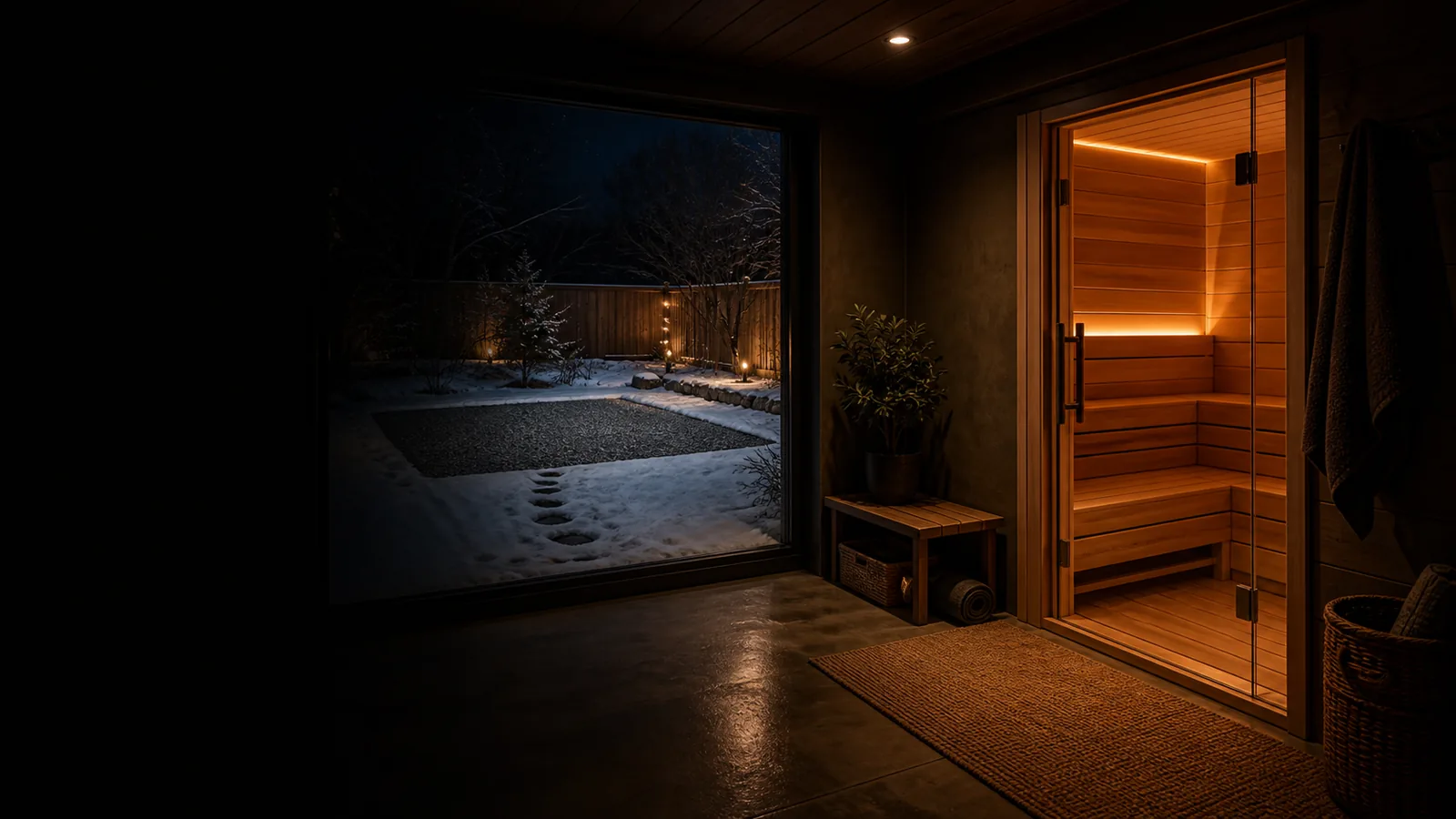
Indoor vs Outdoor Sauna: Decide Placement Before Product
Placement is the first sauna decision because it constrains everything after it. Indoor saunas win on daily-use friction and weather independence but demand ventilation and ceiling-height checks. Outdoor saunas win on space, capacity, and ritual but add foundation, weather exposure, and often a trenched electrical run.
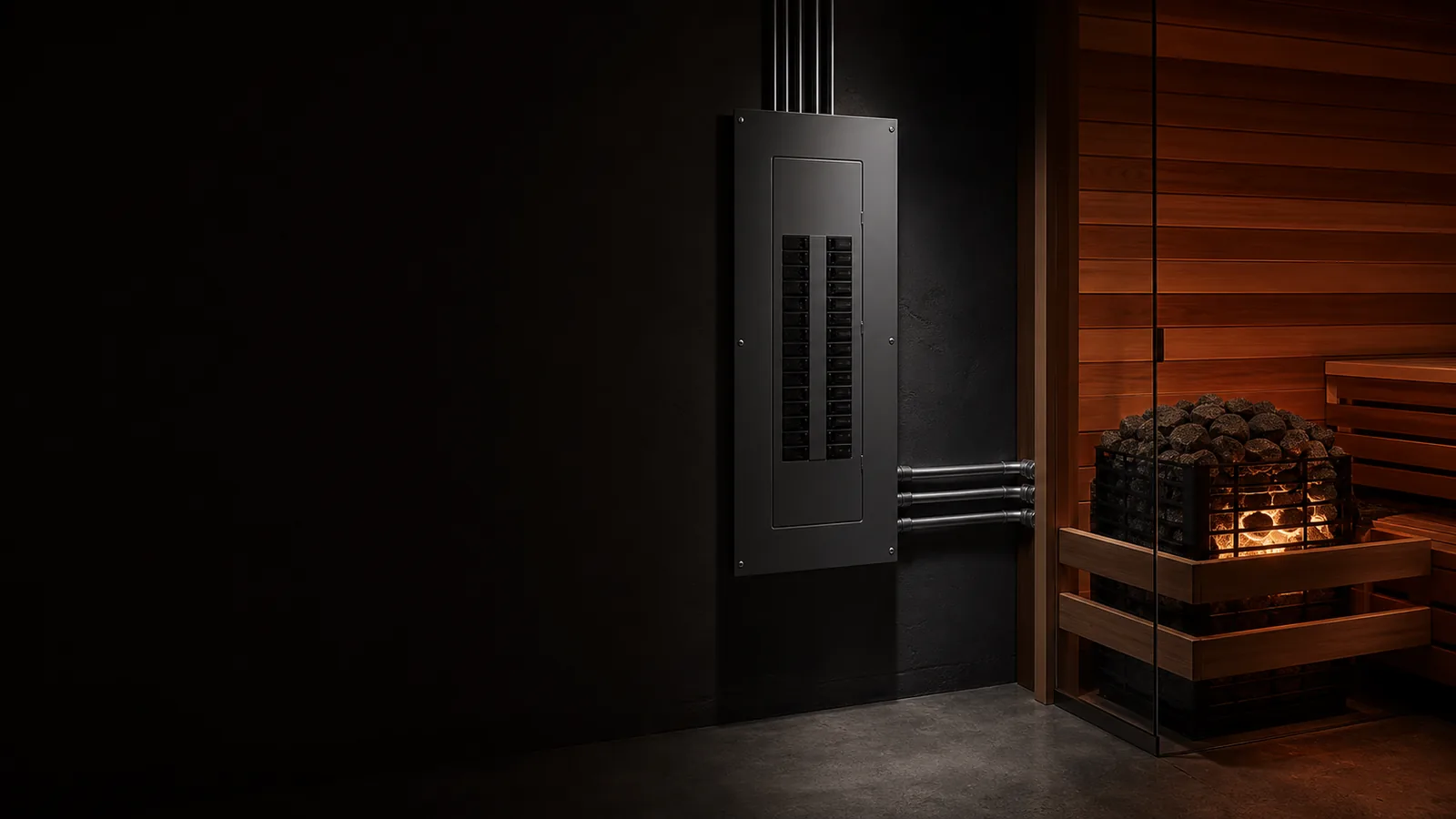
Sauna Electrical Requirements: What Circuit Do You Actually Need?
Compact 1-2 person infrared saunas commonly run on a dedicated 120V, 15-20 amp household circuit. Most traditional saunas and larger infrared cabins need a dedicated 240V circuit sized to the heater, commonly 30-50 amps for 6-9kW heaters. Wood-fired stoves need no electricity at all. Always verify the listing spec and use a licensed electrician.

Wood-Fired vs Electric Sauna Heater: Ritual or Routine?
Electric heaters win on convenience: push-button start, thermostatic control, and no chimney, in exchange for a dedicated 240V circuit. Wood stoves win on ritual and off-grid freedom: no electrical run, softer heat character, and a 45-60 minute fire-tending warm-up that is either the cost or the point.